What is Decimal Number System?
2 min readIn this lesson, you will learn everything about the Decimal number system. The decimal number system is the standard system for denoting integer and non-integer numbers.
Long ago, humans created a number system that has precisely ten digits. This number system is called the Decimal Number System, and the digits in this number system are 0, 1, 2, 3, 4, 5, 6, 7, 8, 9.
The decimal number system is the standard for denoting integer and non-integer numbers.
Introduction
Long ago, humans created a number system that has precisely ten digits.
This number system is called the Decimal Number System, and the digits in this number system are 0, 1, 2, 3, 4, 5, 6, 7, 8, 9.
If a number system has n digits, we say that the base of the number system is n. So, the decimal number system can also be called a base-10 number system.
Sketch with place values.
Let’s look at place values for decimals in the below picture.
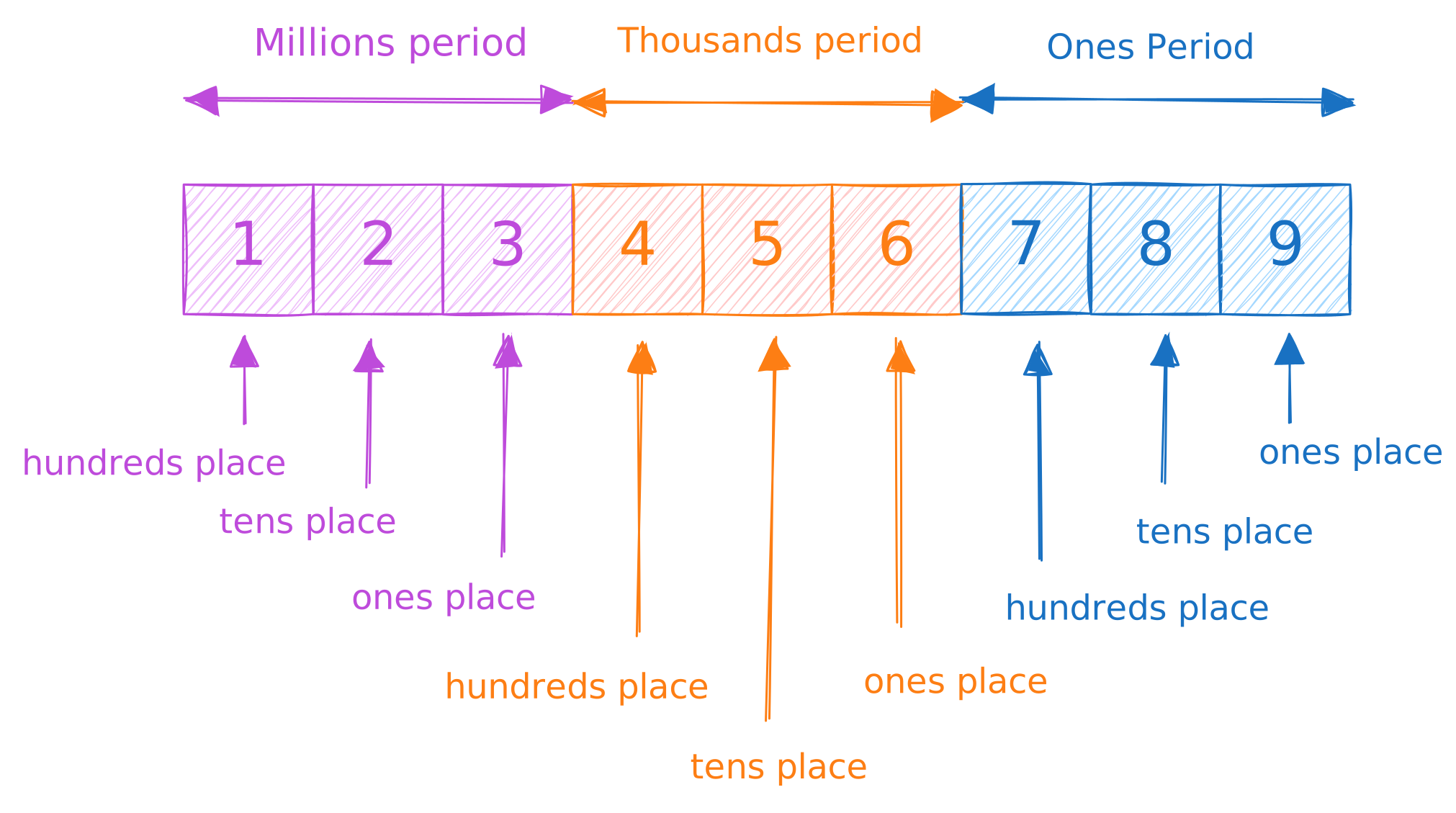
We write the number in one row and multiple columns. The rightmost column corresponding to the rightmost digit is called the one’s place. The second right column is called the tens place, and we increase in multiples of tens, e.g., hundreds place, thousands place, and so on.
Suppose we have to represent this in powers of 10. In that case, the rightmost place (or the least significant digit) corresponds to 100 and continues to 101 and so on towards the left side.
Example
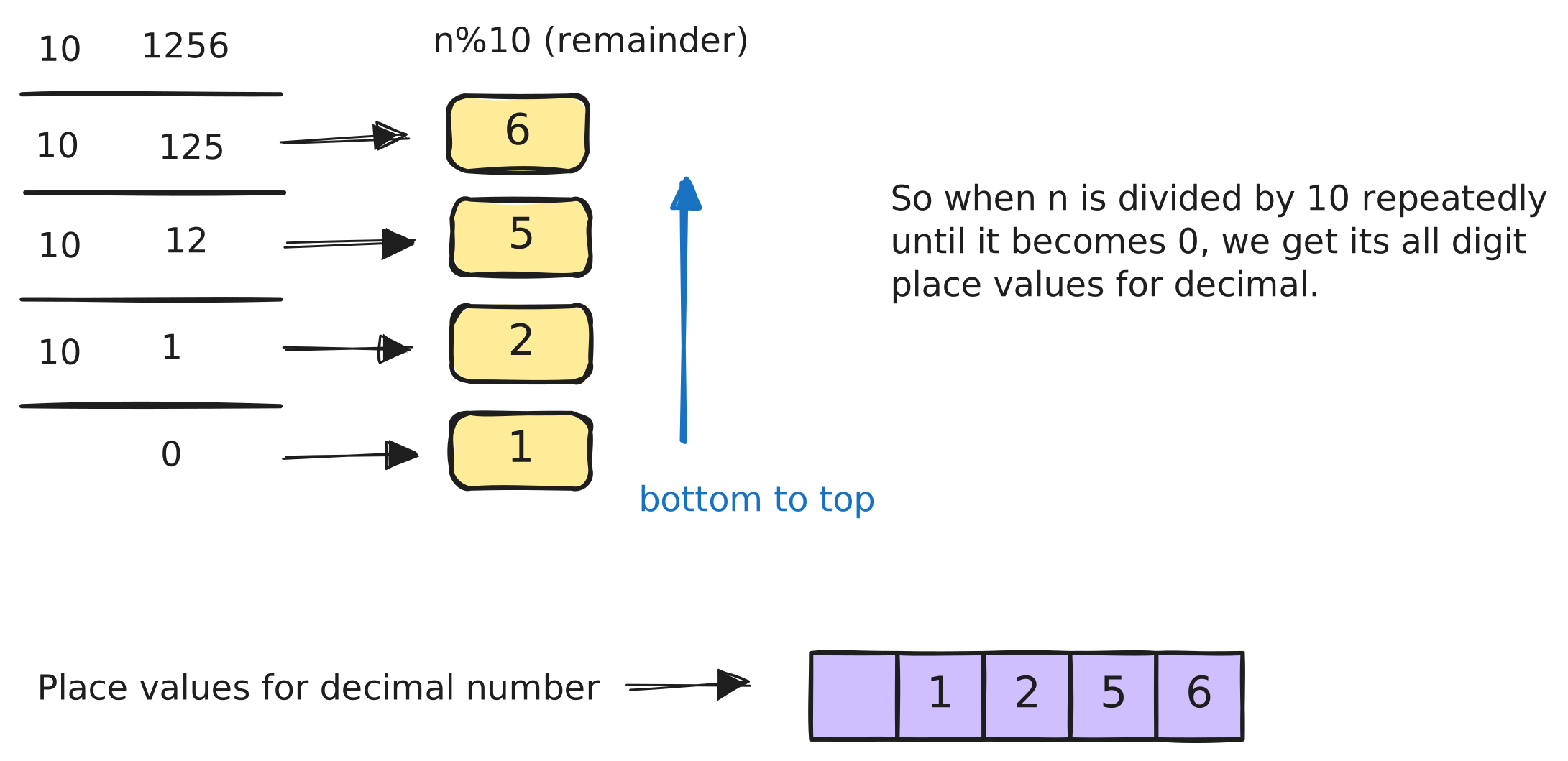
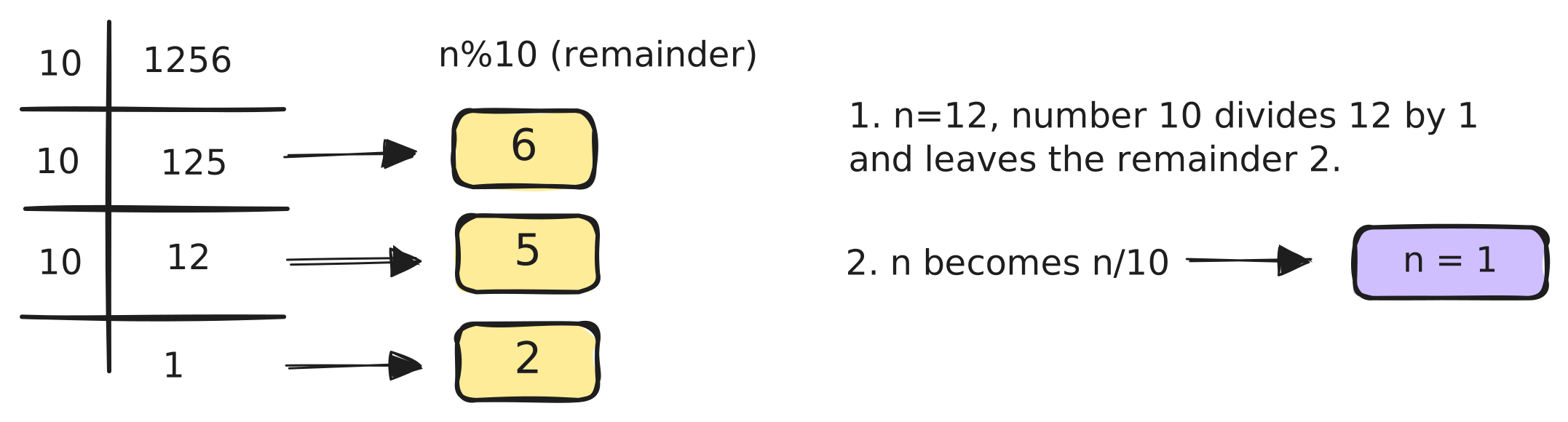
Let’s write the number 1256 in the decimal number system.
int n = 1256;
Repeatedly do the modulo operation until n becomes 0 using:
“%” and “division” operations.
Illustration
| n(value) | n | n/10 (Quotient) | n%10 (Remainder) |
|---|---|---|---|
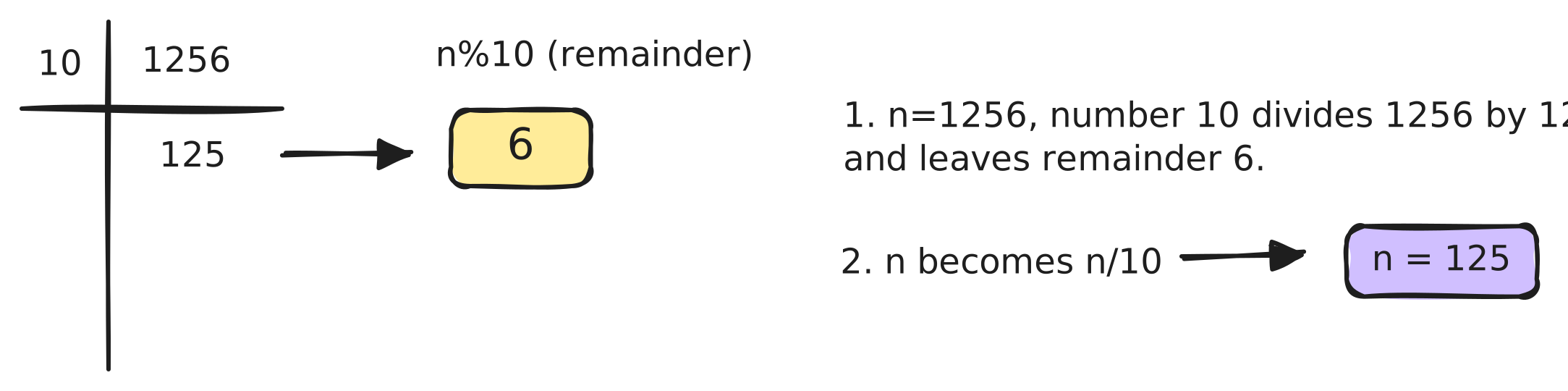
| n is 1256 | 1256 | 125 | 6 |
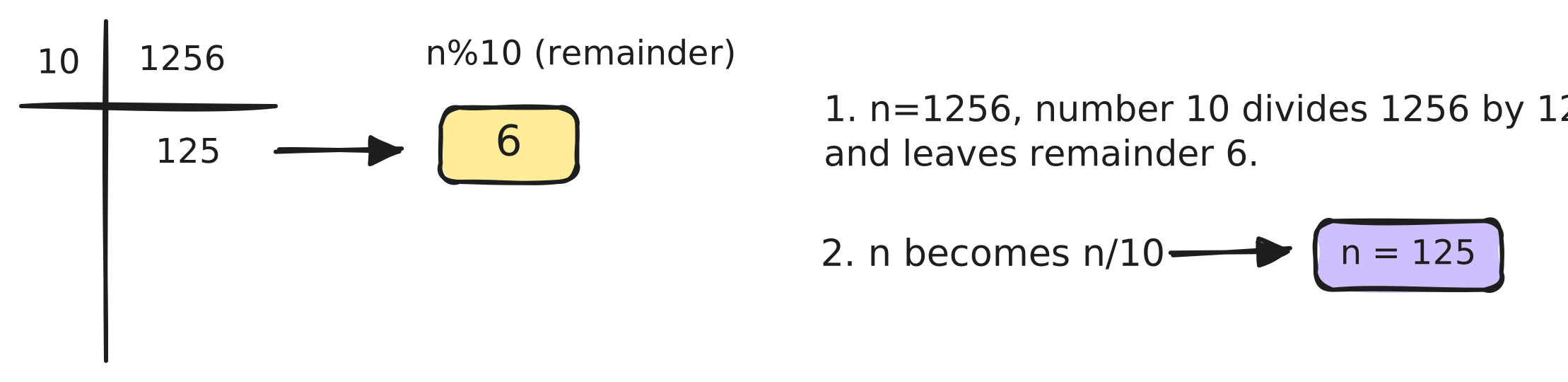
| n/10 becomes 125 | 125 | 12 | 5 |
| n/10 becomes 12 | 12 | 1 | 2 |
| n/10 becomes 1 | 1 | 0 | 1 |
Let's visualize each of the above table in an illustration:
Step#1:
Step#2:
Step#3:
Step#4:
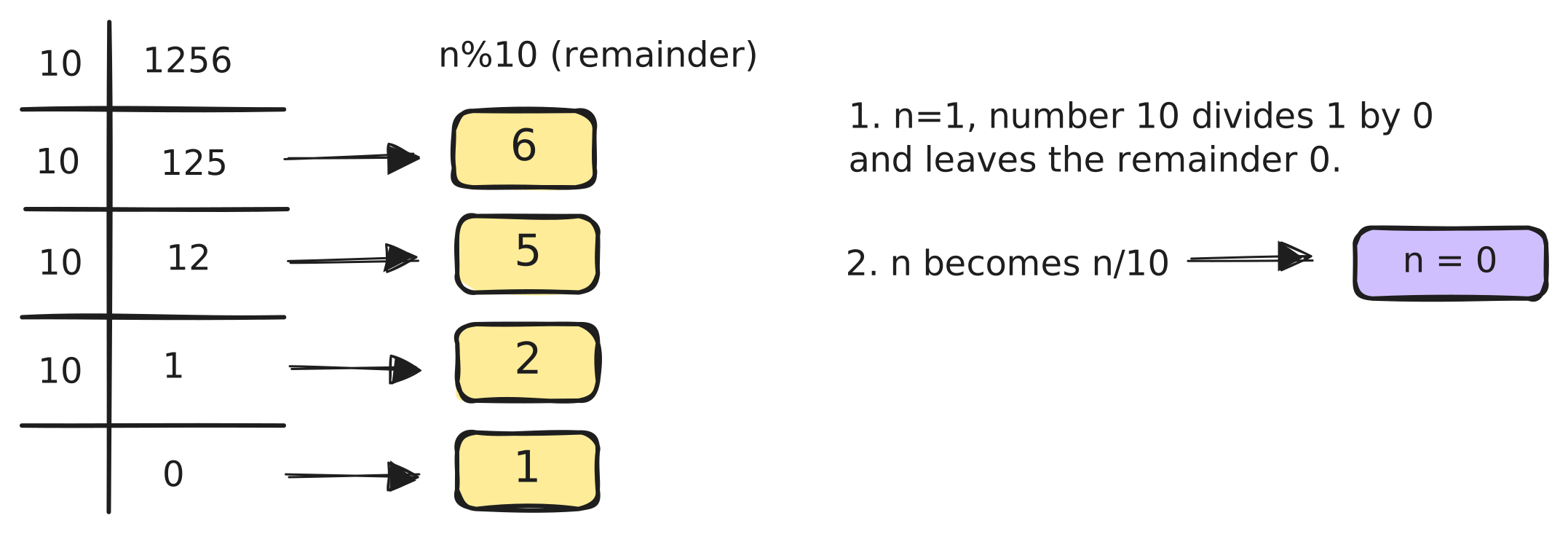
Final sketch: